.png)
Stock Valuation
TELUS: The Dividend Cut Nobody Wants to Say Out Loud
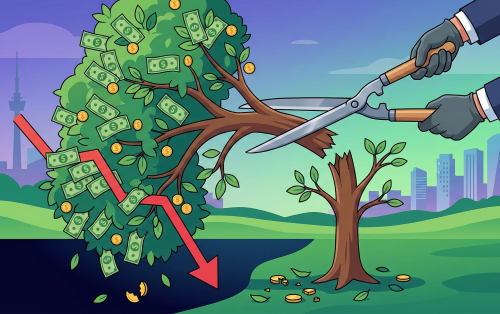
Telus is likely heading toward a significant dividend cut of 70–80%. With the $1.67 dividend far exceeding projected 2026 earnings of $0.93, new CEO Victor Dodig's banking background suggests balance sheet repair is coming. Here's what investors need to know before it happens.
March 20, 2026
—
6 min read
TL;DR
Telus is likely heading toward a significant dividend cut due to unsustainable payout levels. A reduction of 70% to 80% may be required to stabilize the balance sheet. Investors may want to step aside until clarity emerges.
Watch the full breakdown here →
The Core Issue: Dividend vs Earnings
Telus is currently paying a dividend of $1.67, which far exceeds both its recent and projected earnings. 2026 estimated earnings sit around $0.93 per share, while 2025 estimates are closer to $0.72. This creates a clear imbalance that has already begun impacting the company's balance sheet.
Markets have recognized this disconnect and are increasingly pricing in a dividend cut.
Leadership Shift Changes the Outlook
The appointment of Victor Dodig as CEO marks a turning point. Coming from a banking background, his focus is likely to be on balance sheet strength, credit quality, and sustainable growth. This is a departure from prior leadership and suggests a higher probability that the dividend issue will be addressed directly.
When Could a Cut Happen?
The most likely window is the Q1 2026 earnings release or the late April 2026 board meeting. Once leadership transitions are fully in place, the decision becomes more immediate.
How Big Could the Cut Be?
To restore sustainability, dividend payout ratios would likely need to fall to around 50% of earnings.
- Using 2026 earnings: dividend drops to ~$0.46
- Using 2025 earnings: dividend drops to ~$0.36
This implies a 70% to 80% reduction from current levels.
Why a Bigger Cut May Be Better
A deeper cut upfront could stabilize the balance sheet faster, restore investor confidence sooner, and allow earlier resumption of dividend growth. Partial fixes tend to prolong uncertainty.
Market Reaction Risk
History shows these moves can be painful. When Northland Power reset its dividend, shares dropped approximately 33%. This explains management's hesitation but also reinforces the importance of acting decisively.
What Should Investors Do?
Short selling is not recommended due to dividend liabilities and risk exposure. Instead, the more practical approach is to exit the position if not already done, wait for clarity post-decision, and reassess once fundamentals stabilize.
Final Thought
If a dividend cut is inevitable, the key question is not whether it happens but how decisively management acts.
In these situations, patience and discipline tend to outperform reaction.
Share this post


Make Smarter Investment Decisions
Get Started Today